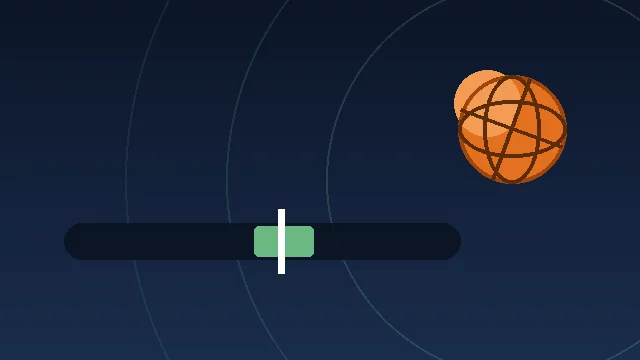
Guide
Basketball Arcade Games: A Beginner’s Starting Guide
Which game to open first, what to expect in twenty minutes, and the three things that confuse every new player.
Jordan Mitchell
6 min read
Guides hub
Practical guides to playing browser basketball games well. Every one was written with the game open and tested against it.
New to the genre? These three in this order.
Which game to open first, what to expect in twenty minutes, and the three things that confuse every new player.

Every keyboard, mouse and touch control used across the site, in one reference — plus what to do when a control is not working.
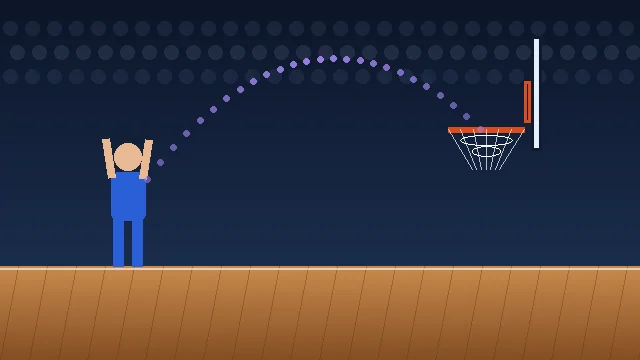
Arc, combo, window, multiplier, swish bonus — what the vocabulary of arcade basketball games actually means.
Arc, power, distance and the habits behind a higher percentage.
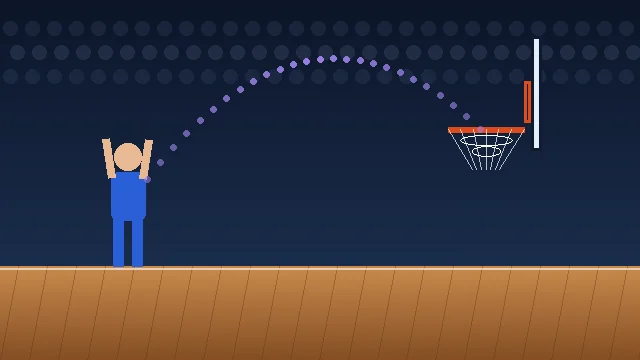
The four mistakes that cost most players their accuracy, and a 10-minute drill that tells you which one is yours.

Twelve specific, tested techniques for shooting games — with the reasoning behind each one, not just the instruction.
Anticipation, take-off windows and rhythm.
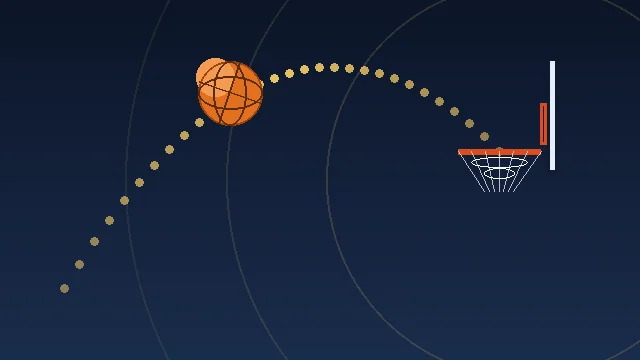
Why almost everyone releases late, what a timing window actually is, and how to train anticipation instead of reaction.

Reading the take-off band, choosing between brake and sprint, and the layup decision that keeps combos alive.
What the scoring systems actually reward.

Making more shots is not the same as scoring more points. How multipliers and pacing really decide a high score.
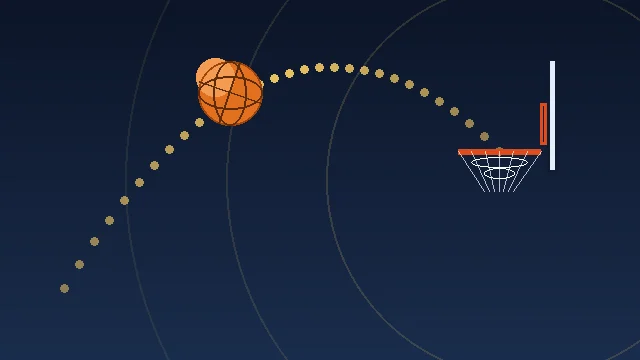
Timed, endless and life-limited games reward opposite behaviour. A strategy for each, with the reasoning.
Playing properly on a phone.

Touch controls, orientation, battery saver, and the three phone settings that quietly ruin timing games.
Every guide here was produced the same way: play the game until the scoring pattern is obvious, work out which habits actually raise a score, then write only the ones that survived a few dozen runs.
Where a guide states a number — a multiplier cap, a timing tolerance, a scoring threshold — that number is the game’s own parameter, published on the game’s page. That is why we write in depth about games we built rather than games we have only played.
Pages are reviewed when a game they describe changes, when an outbound link breaks, or on a scheduled re-read. A “Last updated” date appears only when a page has genuinely been revised — see the editorial policy.